Vertical Space vs Floor Play: What Cats Prefer
TOYS & ENRICHMENT
Feline Insight
2/5/20267 min read
Vertical Space vs Floor Play: What Cats Prefer
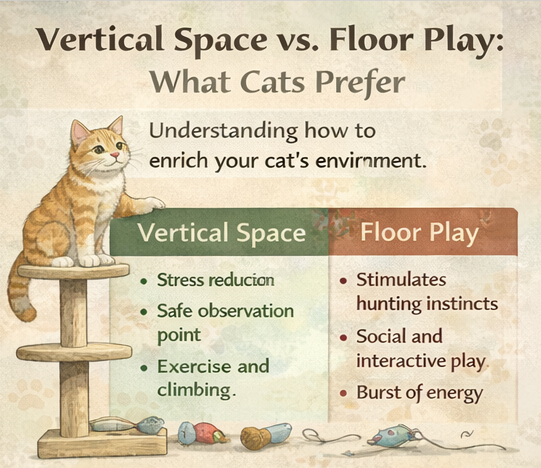
If you've ever owned a cat, you know the drill: one minute they're zooming across the living room floor, batting at a feather toy like it's the hunt of their life, and the next, they're perched on top of your bookshelf, surveying the room like a tiny emperor. It's one of those quirky things that make cats so endlessly fascinating. But have you ever wondered why they do this? Is it just random feline whimsy, or is there something deeper going on?
As a cat lover myself, I've spent countless hours observing my own furry overlords, and it turns out science has a lot to say about it. In this article, we'll dive into the debate of vertical space versus floor play, exploring what cats really prefer based on research from veterinary and behavioral studies. We'll look at the instincts driving these behaviors, the benefits of each, and how you can set up your home to keep your cat happy and healthy. Spoiler: it's not always about the biggest floor area—sometimes, going up is the way to go.
The Instinctual World of Cats: Why Space Matters
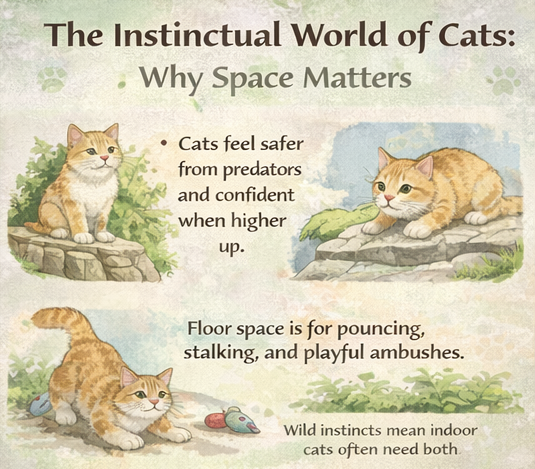
Cats aren't just domesticated fluffballs; they're descendants of wild felines like the African wildcat, who spent their days hunting, hiding, and climbing to survive. In the wild, vertical spaces—think trees or rocky ledges—offer safety from predators, a vantage point for spotting prey, and a way to establish territory without constant ground-level conflicts. Floor space, on the other hand, is prime for pouncing, stalking, and playful ambushes that mimic hunting small animals.
For indoor cats, who make up the majority of pet felines today, replicating these natural environments is key to their well-being. Without proper enrichment, cats can become stressed, leading to issues like excessive scratching, aggression, or even health problems like urinary tract infections. Environmental enrichment isn't just a buzzword—it's about giving cats outlets for their natural behaviors. Studies show that enriched environments reduce stress hormones and promote positive activities. But when it comes to vertical versus horizontal (floor) options, which one do cats lean toward?
Climbing High: The Allure of Vertical Space
Let's start with the heights. If you've noticed your cat leaping onto counters, shelves, or the top of the fridge, you're not alone. Cats have a natural affinity for vertical territory, and research backs this up. In one study on shelter cats, those provided with enriched environments including vertical structures like climbing frames and high perches showed significantly lower levels of cortisol—a key stress hormone—compared to those in standard setups. Specifically, cats in the enriched group had cortisol levels almost half as high (0.059 ng/mg versus 0.101 ng/mg). This suggests that access to heights isn't just fun; it's a stress-buster.
Why? Vertical space gives cats a sense of control. From up high, they can observe their domain without feeling vulnerable. In multi-cat households or busy homes, this is especially important. A study observing cats in a cat café found that felines preferred elevated spots like shelves and cat trees, particularly when the place was crowded with people. About 49.3% of their time was spent on higher levels, and this preference increased with higher human occupancy. It's like their personal escape pod—away from the chaos below.
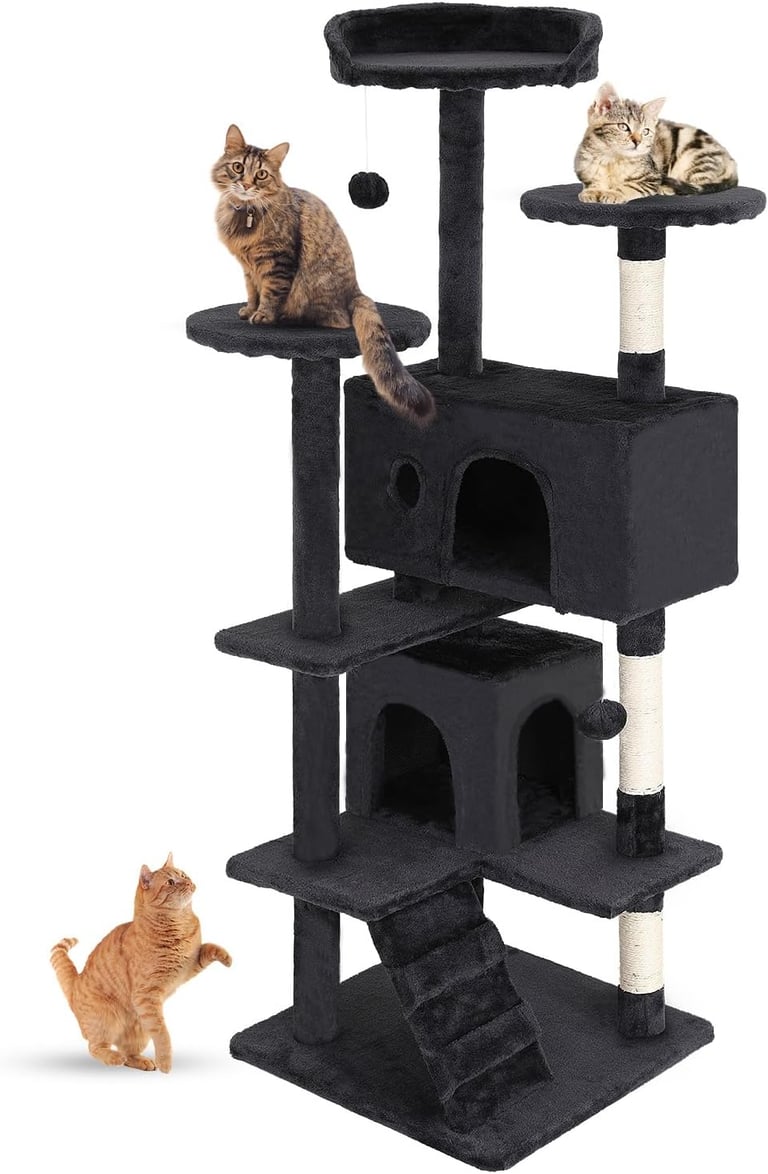
This tower has been my personal favorite of the many I have tried. There are plenty of spots for them to hide and get some vertical space. (Not to mention it matches well with most furniture)
Vertical enrichment also encourages physical activity. Cats in larger spaces with vertical options showed more solitary play and movement between resources. Think about it: climbing scratches that itch for exercise, strengthens muscles, and satisfies their curiosity. In confined or novel environments, cats gravitate toward raised vantage points over open floor areas. One experiment used an "electivity index" to measure this, revealing a clear preference for concealed or elevated spots, which helped reduce behavioral signs of stress. Stressed cats spent less time in open areas and more in passive behaviors, but adding vertical elements flipped the script.
Of course, not all vertical spaces are created equal. In a refuge study, cats spent more time in boxes placed at 0.5 meters high than on the ground, though they entered ground-level ones more frequently. This hints at a balance: heights for lounging and observing, lower levels for quick access and exploration. And in group settings, vertical additions like shelves reduce conflicts by allowing cats to claim their own "territory" without floor-level showdowns.
Imagine your cat scaling a multi-level cat tree, pausing to scratch the sisal posts, then settling into a cozy perch. It's not just play—it's therapy. Vertical space expands their world without needing a bigger home, making it ideal for apartment dwellers.
Down on the Ground: The Thrill of Floor Play
Now, don't get me wrong—floor play has its place in a cat's heart too. Who hasn't laughed at a cat chasing a laser pointer across the hardwood or wrestling with a stuffed mouse? Floor activities tap into their predatory instincts, encouraging bursts of energy that keep them fit and mentally sharp.
Play on the ground often involves interactive toys, which can strengthen the bond between you and your cat. Studies on cat behavior note that small, movable toys mimic prey, triggering hunting sequences like stalking and pouncing. In group-housed cats, larger floor areas led to more general activity and play, indicating that horizontal space promotes social interactions and movement. Kittens, in particular, thrive on floor play, as it helps develop coordination and social skills.
However, floor play isn't always the top choice. In stressful or crowded situations, cats may avoid open floor spaces altogether. Research shows that in novel environments, cats with higher stress scores spent significantly less time in open areas—less than half as much as calmer cats—and suppressed playful behaviors. Floor play shines when cats feel secure, like in a quiet room with familiar toys. It's great for burning off energy, but without vertical escapes, it can lead to boredom or frustration.
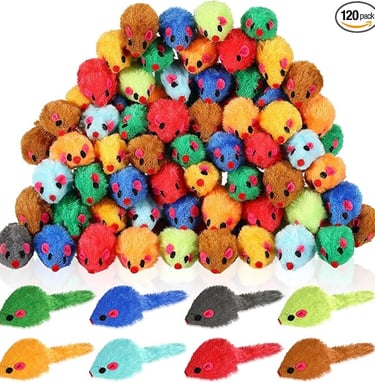
These are my cats absolute favorite toys to play with on the ground. I would definitely recommend giving them a try.
Throw these mice around and watch them chase. 120 pieces for when they inevitably get stuck under the couch
10 pack of a bit higher quality
These springs are similar to the mice toys
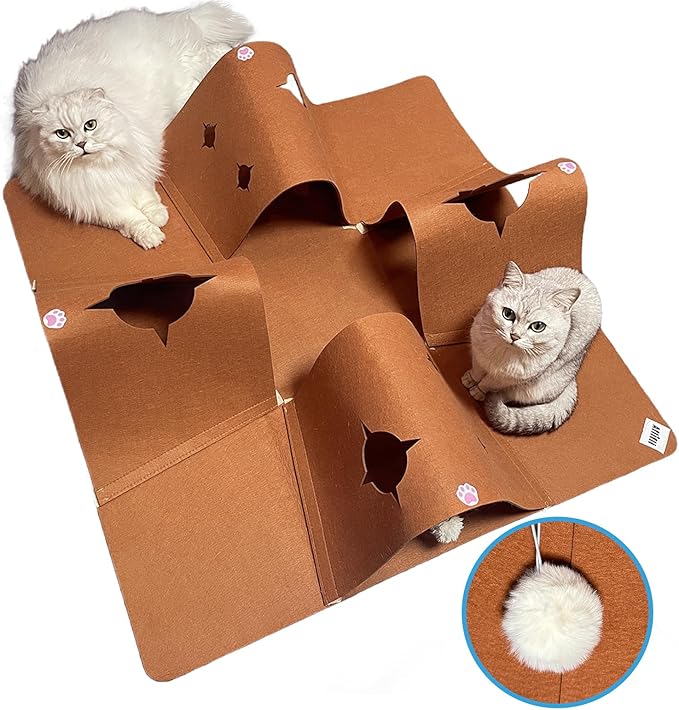
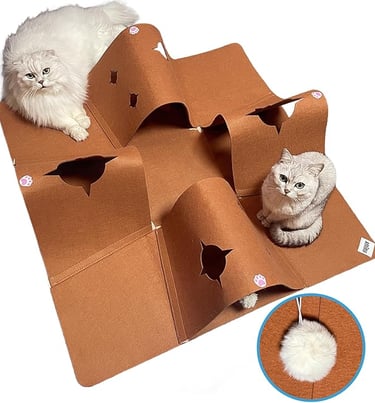
This foldable rug is perfect if your cats like to play hunt
Floor enrichment can include puzzle feeders, tunnels, or simple balls, but it's often most effective when combined with human interaction. Extended play sessions with owners can reduce stress, as seen in studies where social contact lowered Cat Stress Scores from one day to the next.
What the Science Says: Do Cats Have a Clear Preference?
So, vertical or floor—which wins? The evidence leans toward vertical space as a stronger preference, especially for stress reduction and overall welfare. In shelter and café settings, cats consistently chose elevated areas over floor-level ones when given options. This aligns with their prey-predator duality: heights provide safety and observation, while floor play is more about active hunting.
But it's not black and white. A study on refuge use found that while vertical boxes were preferred for longer stays, ground-level ones saw more entries, suggesting cats use floors for quick interactions and heights for relaxation. Individual factors matter too—older cats, males, and those new to confinement show higher stress and may need more vertical options to cope. In larger groups, increasing floor space boosts play, but adding vertical elements like screens or shelves enhances space use and reduces aggression.
Interestingly, some research highlights that quality trumps quantity. Even in smaller homes, vertical enrichment can make a bigger impact than expansive floor space alone. Cats in enriched setups with climbing opportunities displayed more diverse behaviors and lower stress, proving that thinking "up" can transform a cat's environment.
Creating the Perfect Balance: Tips for Your Home
The best approach? Offer both! Start with a sturdy cat tree that combines scratching posts, perches, and hiding spots—it's like a vertical playground. Wall-mounted shelves can create "cat highways" for exploration without cluttering the floor. For floor play, invest in interactive toys like wand teasers or automated laser pointers to keep things engaging.
In multi-cat homes, multiple vertical levels prevent territorial spats, as cats can claim different heights. Rotate toys and setups regularly to mimic a changing environment, and don't forget scratching options—vertical for stretching, horizontal for ground play.
If you're shopping for enrichment, look for durable, safe products. A good cat tree can be a game-changer, and pairing it with floor toys ensures all bases are covered. Your cat will thank you with more purrs and fewer mischiefs.
Wrapping It Up: Listen to Your Cat
At the end of the day, while science points to a preference for vertical space—especially for reducing stress and promoting natural behaviors—every cat is unique. Some might be floor-dwelling zoomie machines, others eternal climbers. Observe your cat's habits and adjust accordingly. By providing a mix of vertical and floor options, you're not just enriching their space; you're honoring their wild roots in a modern world. Happy cats mean happier homes, and that's something we can all get behind. If you've got stories about your cat's preferences, I'd love to hear them—after all, us cat people have to stick together!